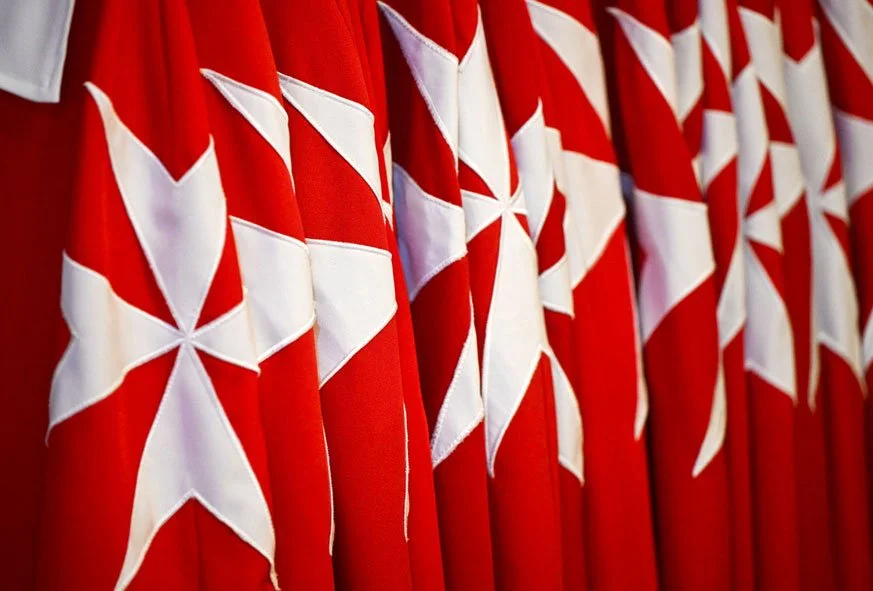
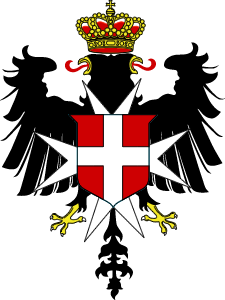
The Order of St John of Jerusalem, the Knights Hospitaller is a world-wide non-denominational Order of Chivalry founded in the 11th Century AD. The Grand Master is HRH Prince Karl Vladimir Karageorgevich of Serbia, who is the 76th to hold this office since the inception of the Order. The present Prior of Queensland is Bailiff Andre Freiherr von Zeppelin. In Australia there are currently Priories in Queensland, New South Wales and the Australian Capital Territory.
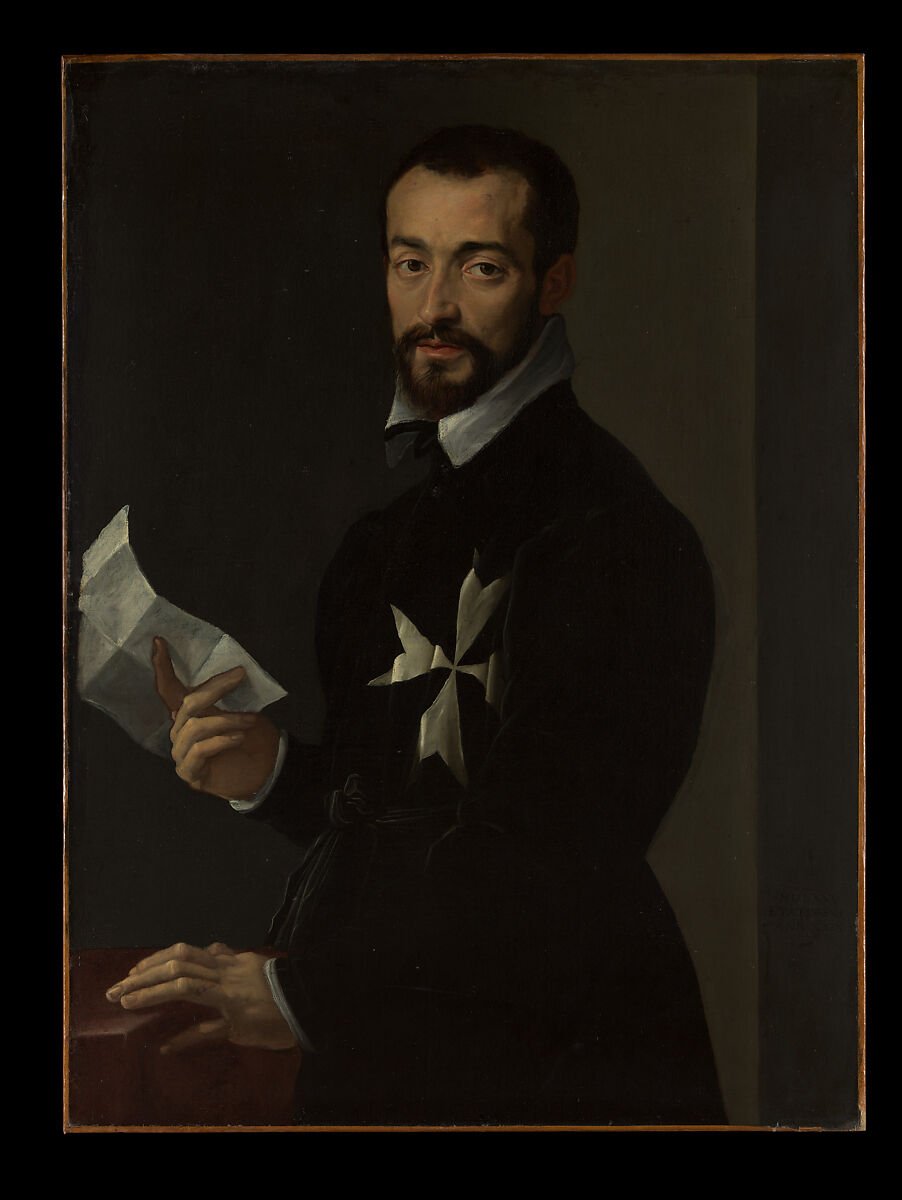
Portrait of a Knight of Malta
Fra Jacopo Salviati
A BRIEF HISTORY OF THE ORDER
The Hospice of St John in Jerusalem was founded in 1048 AD by a group of wealthy merchants from Amalfi in Italy as a hospital for sick pilgrims. From these benefactors is derived the use of the Amalfi Cross as the badge of the Order. Around 1087 AD this group adopted the life-style of a religious community following Augustinian Rules. They became known as the Hospitallers. The first Grand Master was Gerard of Amalfi.
The Hospitallers were augmented by French Knights who came to Jerusalem with the First Crusade in 1099 AD, and became attached to the hospice for the physical protection of pilgrims. In 1113 Pope Pascal II issued a Papal Bull making the Hospitallers an Order of Chivalry, as we know it today, elevating the status of the Brothers to that of Knights. Today it is the oldest surviving Order of Chivalry.
In 1798 Napoleon Bonaparte, who was vigorously anti-clerical, seized the Island of Malta. By this time the military skills of the Knights had been allowed to lapse, and they were easily defeated and deported by Napoleon. Most of them took refuge in Russia under the royal protection of Tsar Paul I, who was elected Grand Master. As the Tsar belonged to the Orthodox faith, the statutes of the Order were liberalised, and the Order has remained ecumenical until the present day. Other Knights made their way from Malta to England, where in 1888 they came under the protection of Queen Victoria, as the Venerable Order of St John, whose badge is black. This Order also exists in Australia under the patronage of the Governor-General, and is chiefly devoted to the provision of ambulance services and to teaching First Aid. With the fall of the House of Romanov in 1917, the Royal Protectorate of the Hospitallers devolved on King Alexander I of Yugoslavia, who died in 1934. His son King Peter II became the 73rd Grand Master in 1963. The establishment of a Priory in Australia dates from 1969. HRH Prince Karl Vladimir Karageorgevitch, grandson of King Alexander became the Grand Master in 2001.
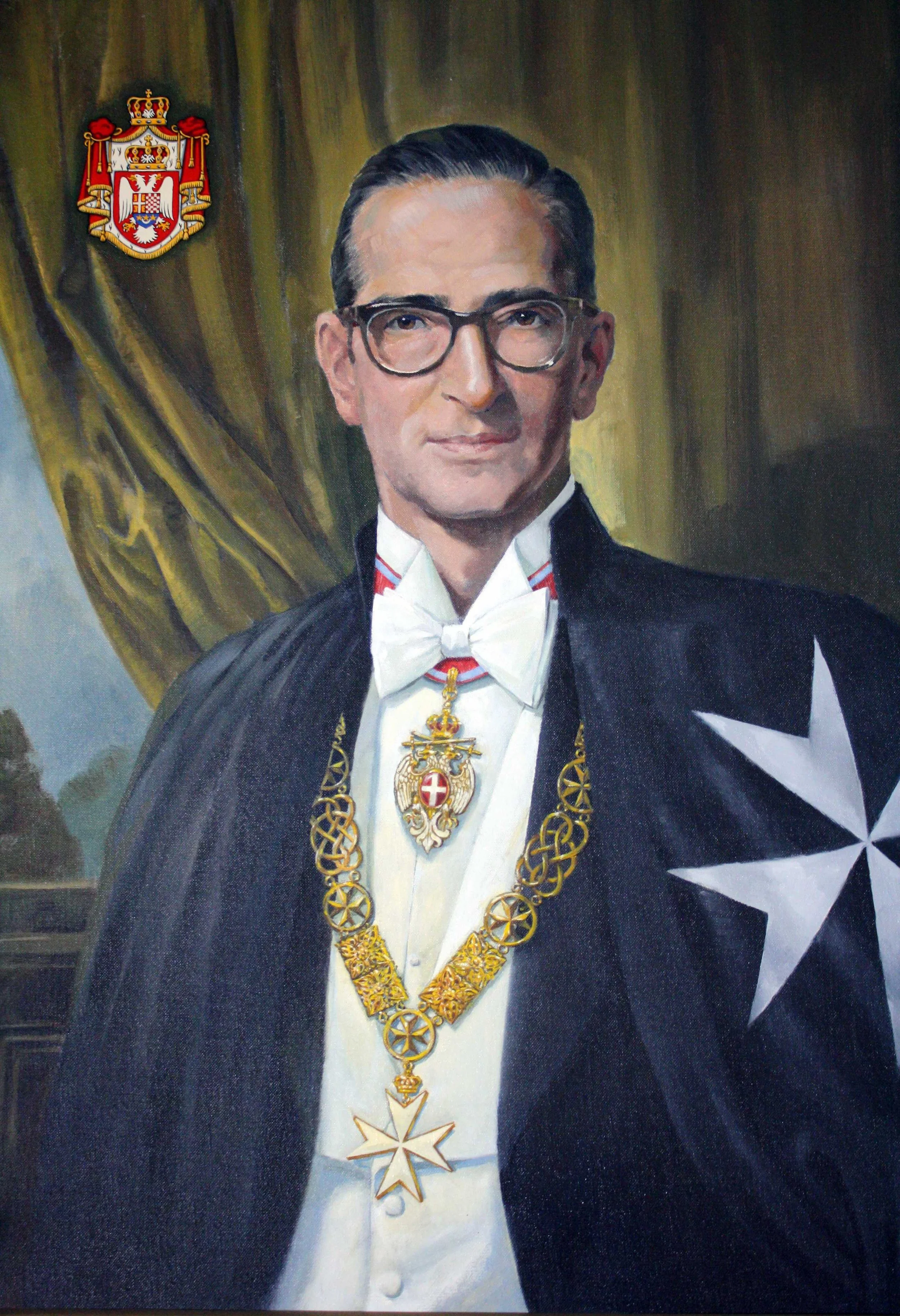
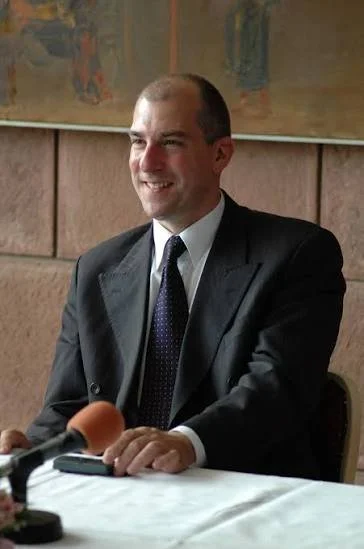
HRH Prince Karl Vladimir Karageorgevitch
King Peter II
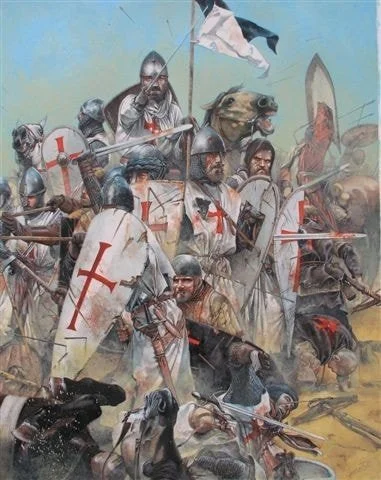
The Hospitallers continued their charitable and military activities in the Holy Land for the next 200 years, until expelled in 1291 by Salah-u-Din (Saladin), the Sultan of Egypt. The Order briefly relocated to Cyprus, and then in 1310 captured the Island of Rhodes. There they came into collision with the Turkish Empire and were obliged to add the defence of Christendom to their charter. In 1520, the Sultan Suleiman the Magnificent, now master of the Levant, decided to rid his empire of the Knights, and laid siege to Rhodes. The siege lasted several years, and in 1523 the undefeated Knights negotiated an honourable withdrawal to the Island of Malta, then part of the Holy Roman Empire. The Emperor Charles V, who was also King of Spain, granted sovereignty over the island to the Knights in 1530. The Knights fortified the island and successfully resisted a four-month siege by the Turks in 1565. At this time most of the Knights were French, and many were noblemen in their own right.
THE AIM OF THE ORDER
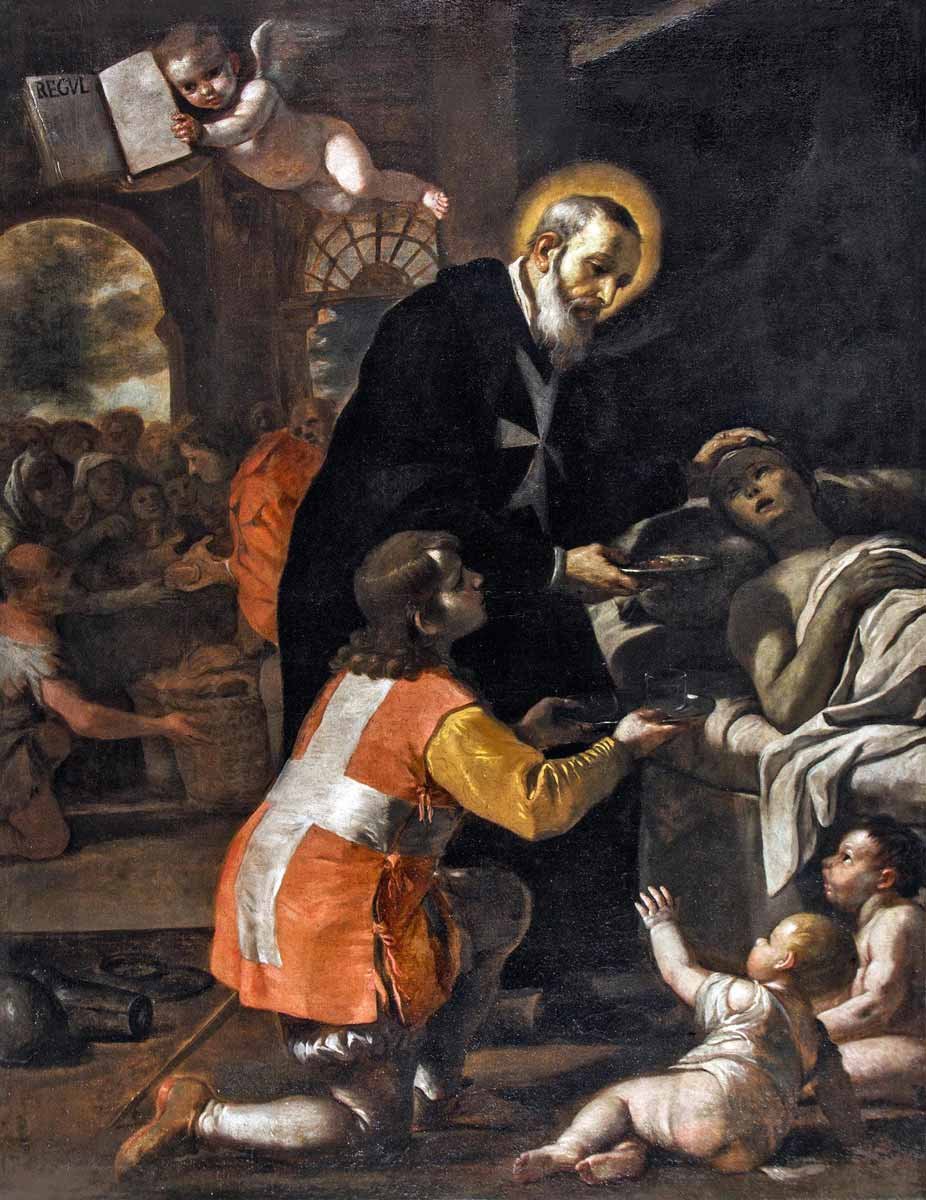
The aim of the Order remains the same as when it was founded in the 11th century, namely the care of the Sick and the Poor. Today this is achieved through charitable donations to the needy. Members work together to raise funds for this purpose. One major fund-raising event is held each year, except in years when there is an Investiture.
STRUCTURE OF THE ORDER
The executive organ of the Order is the Petit Conseil which meets in London. It comprises five Conventual Bailiffs, and its President is the Grand Commander. It is responsible for the Central Administration of the numerous Priories of the worldwide Order. The present Grand Commander is Judge Alastair Redpath-Stevens. The body of the Order is made up by Knights and Dames of various ranks, which are distinguished by braid on the collars of their cloaks. Membership of the Order is by invitation only, and includes those who have been, and continue to be, contributors to the community.
The Prior is the nominal and executive head of the Priory of Queensland, and was appointed by the Grand Master. He is assisted by a number of other office bearers, including the Vice-Prior, the Priory Secretary and the Treasurer, who are elected or re-elected annually. Conventual Bailiff Shane Hough is the Grand Hospitaller of the Order and a member of the Petit Conseil. Meetings of the Priory are convened Quarterly, one of which is the Annual General Meeting.
OBLIGATIONS
All members of the Order are required to pay an annual oblation. Part of this is sent to the headquarters in London for distribution under the authority of the Grand Master. The remainder is used at the discretion of the Priory for local donations to the Sick and the Poor. In the past the Priory has made substantial donations to the Institute of Glycomics at Griffiths University, the Drop-In Centre at St John’s Church Surfers Paradise, and the Youth Enterprise Trust.
Although the Order is fundamentally Christian, there are no Days of Obligation as such, but it is customary to celebrate the Feast of the Birth of St John (24th June), and the End of the Siege of Malta (8th September).
THE INVESTITURE
The Investiture of new Knights and Dames is a service of dedication before God in which aspirants are invited to take an oath of allegiance to the Order and to the Grand Master. They then kneel before the representative of the Grand Master who dubs them lightly on both shoulders with a sword. Their gowns are then placed on their shoulders, and the neck badges put in place. The new Knights then turn and are acknowledged by the Knights and Dames present. The service is followed by a banquet in celebration of the new quality of the aspirants.